Why Church Security Matters More Than You Think
The Reality Churches Face Today
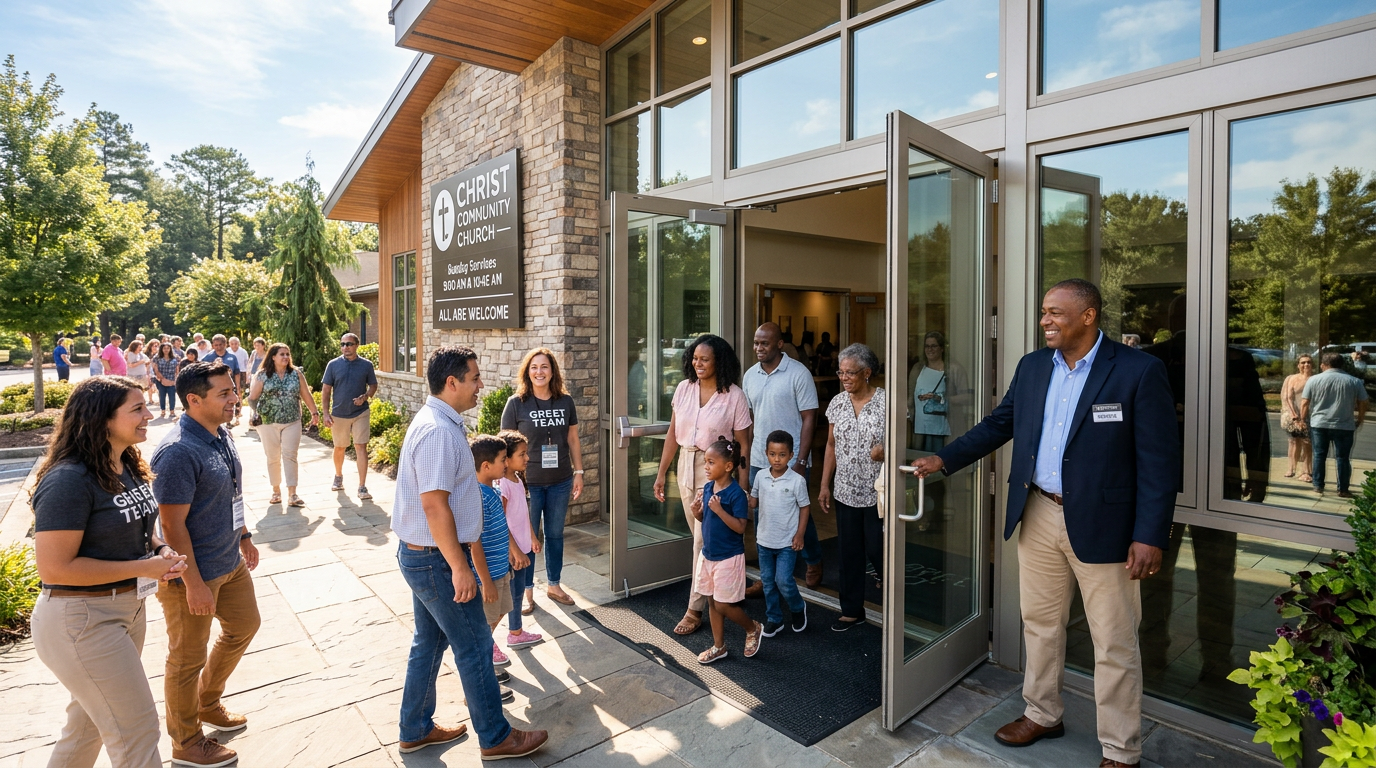
For decades, churches operated with a simple philosophy: open doors, open hearts, open arms. That philosophy is still beautiful. But the world around those open doors has changed, and churches that ignore that reality are not being faithful — they are being unprepared.
According to the Faith Based Security Network, violent incidents at houses of worship in the United States have increased significantly over the past ten years. These incidents range from targeted attacks to domestic disputes that spill into church lobbies, from theft to medical emergencies that occur when no one is trained to respond.
The uncomfortable truth is this: churches are soft targets. They are open to the public. They often have limited staff. They serve vulnerable populations including children, elderly members, and people in crisis. And they frequently operate with the assumption that "it won't happen here."
Why "It Won't Happen Here" Is Dangerous Thinking
Every church that has experienced a security incident had people who believed it would never happen to them. That is not a criticism — it is human nature. We do not naturally associate places of worship with danger.
But the goal of church security is not to create an atmosphere of fear. It is to create an atmosphere of preparation.
Consider the kinds of incidents churches actually face most often:
- Medical emergencies — A member collapses during service. Who calls 911? Who meets the ambulance? Who manages the crowd?
- Disruptive visitors — Someone enters visibly agitated, intoxicated, or in crisis. Who approaches them? What is the protocol?
- Custody disputes — A non-custodial parent attempts to pick up a child. Does the children's ministry have a plan?
- Theft — Purses stolen from pews during worship. Vehicles broken into during service. Equipment taken from unlocked rooms.
- Unauthorized access — Someone wanders into restricted hallways, offices, or storage areas without being noticed.
These situations happen regularly at churches across the country. Most of them are not dramatic. But they become dangerous when no one has thought through how to handle them.
Security as Stewardship
Church leaders are stewards. They are entrusted with the care of people, property, and ministry resources. Security planning is not separate from that calling — it is an expression of it.
When a church takes time to:
- Identify who watches the doors
- Train volunteers to observe and report
- Protect children's areas with proper access controls
- Create a communication plan for emergencies
- Walk a defined patrol route
...that church is not being paranoid. It is being responsible.
Jesus himself said, "Be wise as serpents and harmless as doves." Wisdom and warmth are not opposites. A church can be the most welcoming place in the community while also being the most prepared.
What Happens When Churches Do Nothing
When churches have no security plan:
- Response is chaotic. Nobody knows who is in charge. People freeze or panic. Precious minutes are lost.
- Liability increases. Churches without documented safety policies face greater legal and insurance exposure.
- Trust erodes. When families feel unsafe — especially regarding their children — they leave quietly.
- Volunteers burn out. One person ends up carrying all the weight. He runs from door to door, never sitting in worship, never resting.
- Incidents repeat. Without documentation and review, the same problems happen again and again.
The cost of doing nothing is not nothing. It is hidden risk accumulating silently until something forces it into the open.
A Simple Starting Point
Church security does not have to be complicated. It starts with three questions:
1. Who is responsible? Identify one person to coordinate safety efforts.
2. What are the basics? Decide which doors are open, who watches them, and how to communicate concerns.
3. What if something happens? Write a simple response plan for the three most likely scenarios your church could face.
From there, build gradually. Train a few volunteers. Walk a patrol route. Review what happened after each service. Improve one thing each month.
The church that takes security seriously is not the church that looks like a fortress. It is the church that has thought ahead, organized wisely, and decided that protecting people is part of loving them.
Take the Next Step
ChurchGuard Pro helps churches of every size create professional security plans using AI-powered analysis. Upload your facility blueprint, enter your team size, and get a customized plan in minutes — not months.
Because every congregation deserves to worship in peace, knowing someone has planned for their safety.